Still the hardest question to answer — and it just got a new twist
The question always comes at the wrong moment. You’re at some dinner, someone asks what you do, you say “I’m a digital artist” — and the conversation stops. Not rudely. Just completely. Like you’ve described a profession that doesn’t quite compute yet.
Doctors they understand. Teachers, engineers, electricians. But “digital artist” sits in that uncomfortable zone between art and technology, between creative and technical, between something people vaguely feel exists and something they couldn’t describe if asked. It’s been this way for decades.
And in 2026, thanks to AI, it’s somehow gotten even more confusing.
Doctors they understand. Teachers, engineers, electricians. But “digital artist” sits in that uncomfortable zone between art and technology

A job title that contains multitudes
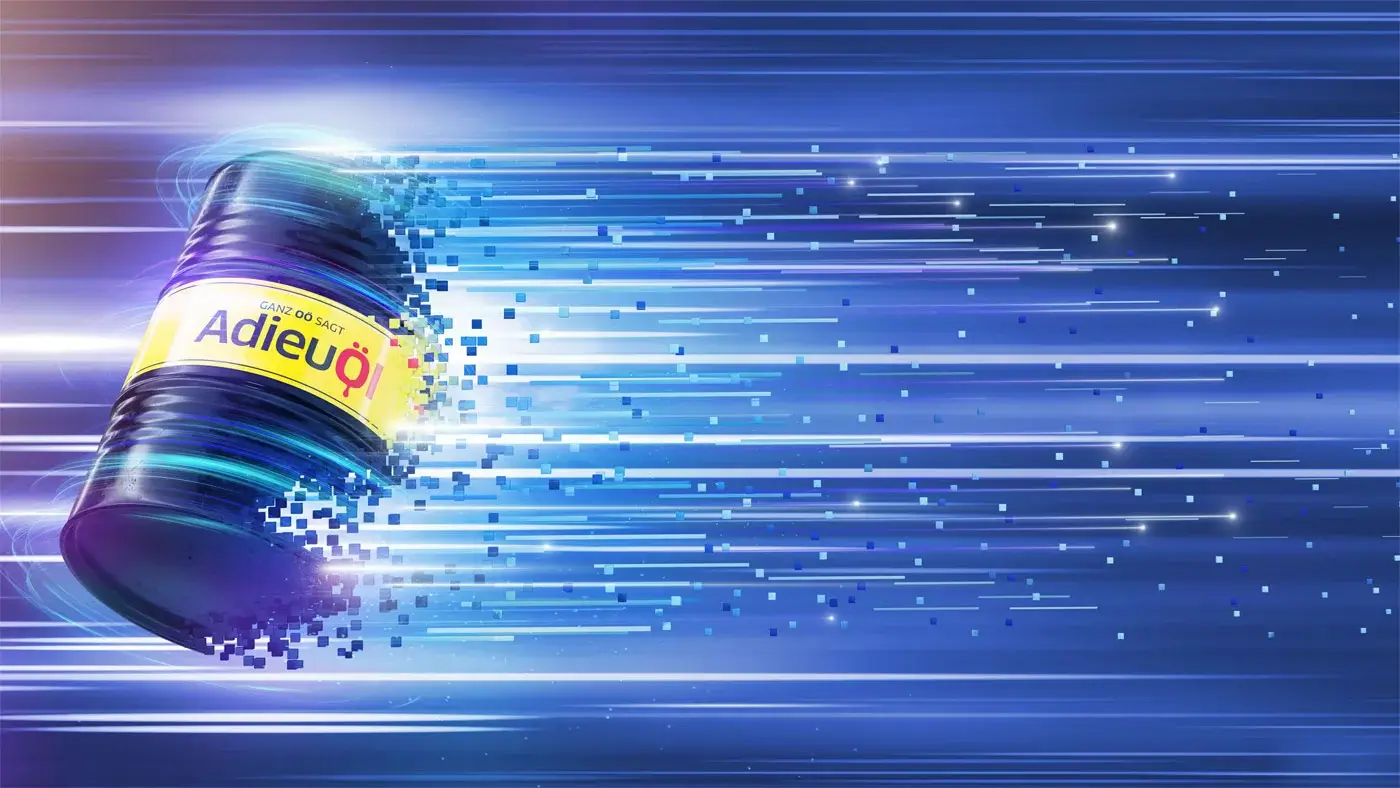
Part of the problem is the scope. “Digital artist” covers a genuinely enormous range of specialisations. There’s compositing — the art of combining photographic and rendered elements into seamless, believable images. And there’s photo retouching, which has nothing to do with “fixing” photos in the way people assume, and everything to do with building precision, consistency, and visual hierarchy into product imagery. Well, then there’s 3D rendering and CGI, where products are built as virtual objects and lit in a virtual world. And there’s concept art, matte painting, motion graphics, and visual effects.
Each of those is its own discipline and each takes years to master. And they all get lumped under “digital artist.”
When someone asks what I do and I start explaining — the tools, the process, the decisions that go into a single finished image — I can see the moment they decide to nod along rather than actually follow. Which is fair enough. It’s not a quick explanation. The most effective thing I’ve ever done is just show them.
Each of those is its own discipline and each takes years to master. And they all get lumped under “digital artist.”
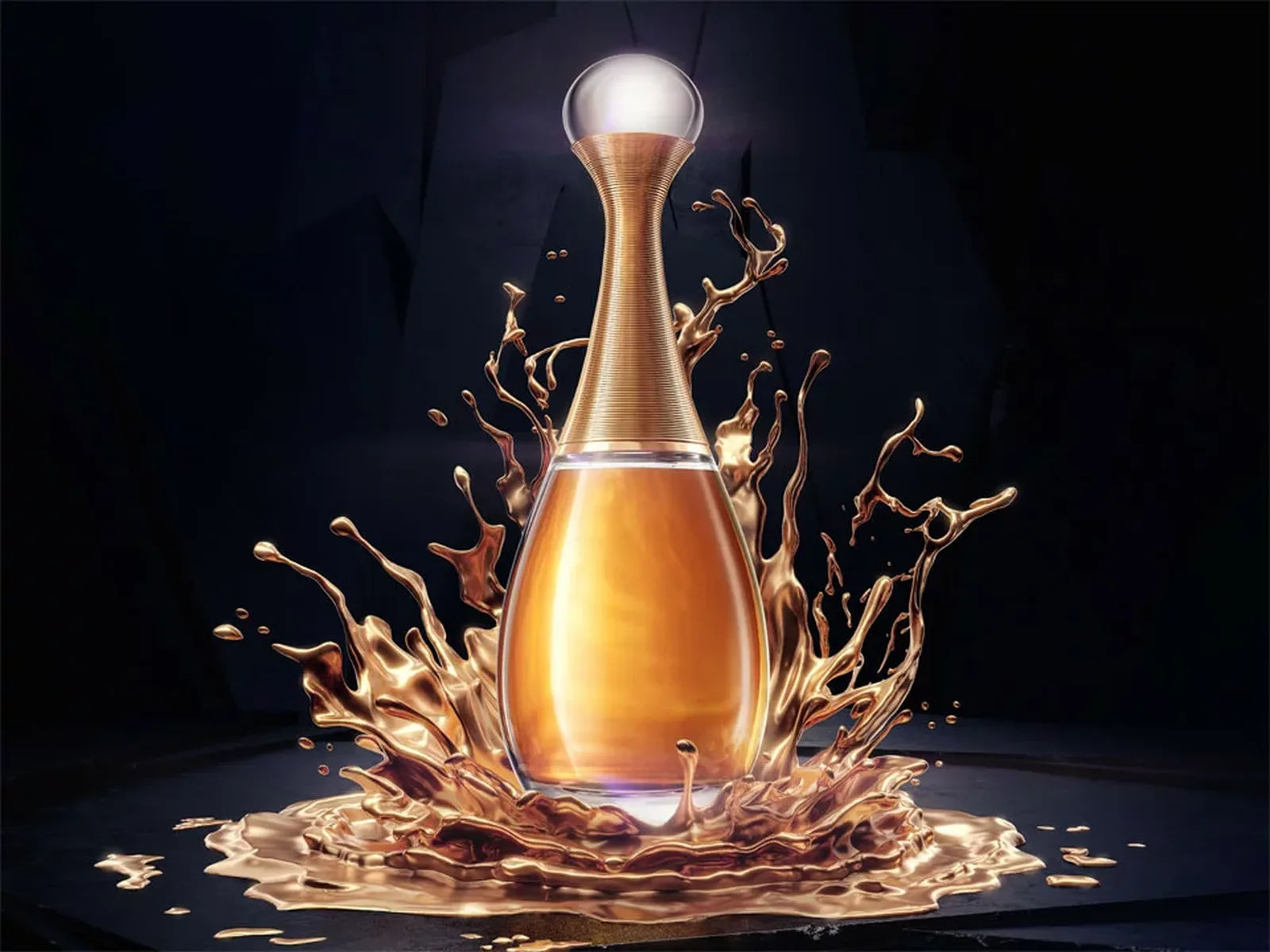
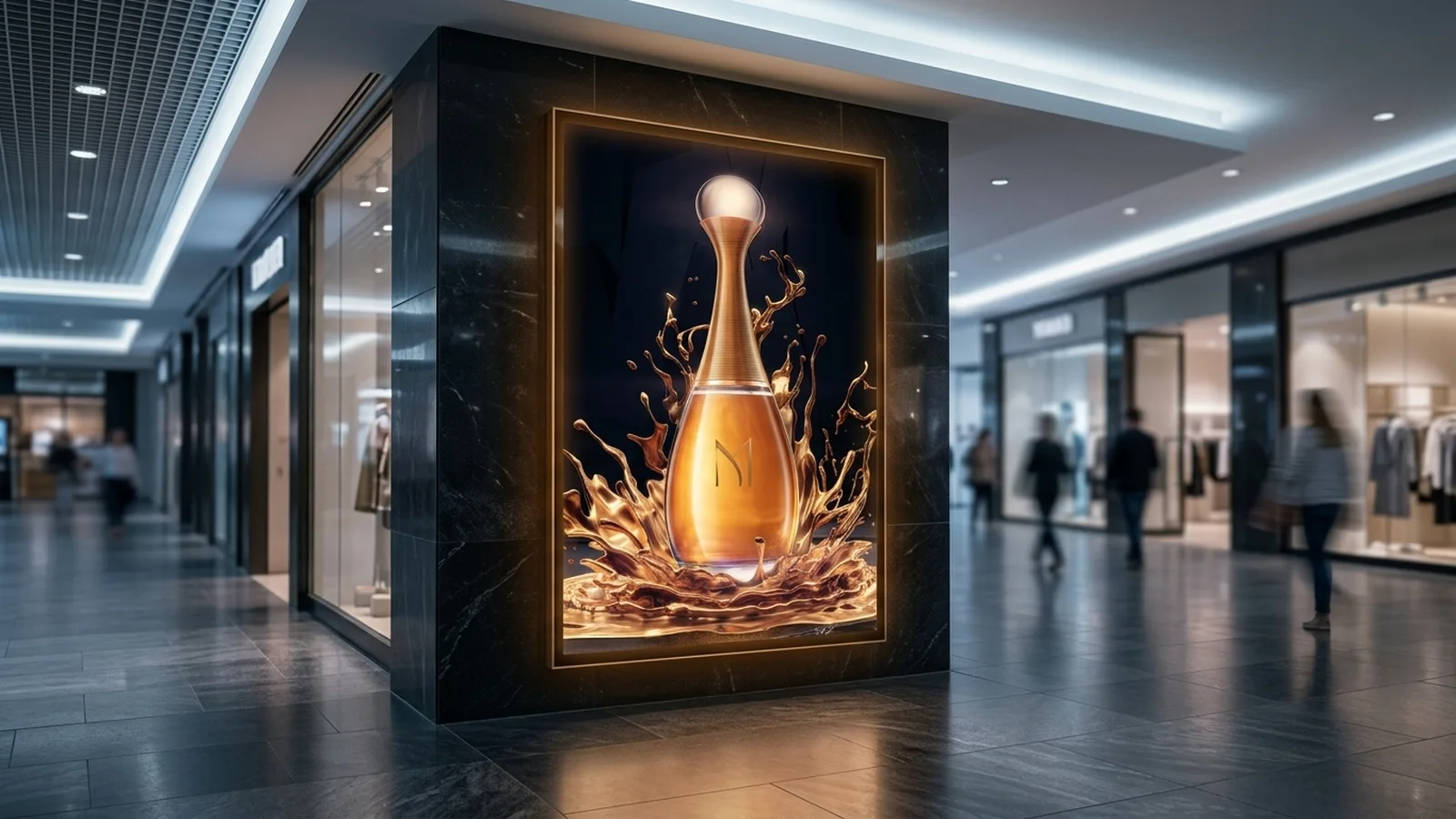
A well-made compositing image that looks like a location shoot but was assembled from five separate elements shot in a studio. A product render so photorealistic that the client had to double-check it wasn’t a photograph. That’s when it clicks. Not because I explained it well — because they saw it.

“But can’t AI do all that now?”
This is the 2026 version of the misunderstanding, and it’s a good one. Worth taking seriously.
Yes, AI image generation tools have become remarkably capable. Midjourney, Firefly, Stable Diffusion — they can produce impressive visuals fast, and every working digital artist uses AI tools somewhere in their workflow. That’s not the question.
The question is: who’s operating them?
Someone still has to decide what the image needs to look like. That someone has to understand the brand, the product, the target audience, and the brief. And that someone has to recognise when the AI has generated something technically impressive that’s completely wrong for the job — and know how to fix it, retouch it, or redirect it entirely. Someone has to make the output consistent with the campaign it belongs to, adapt it across 14 formats, and still make it look right when the packaging changes three months later.

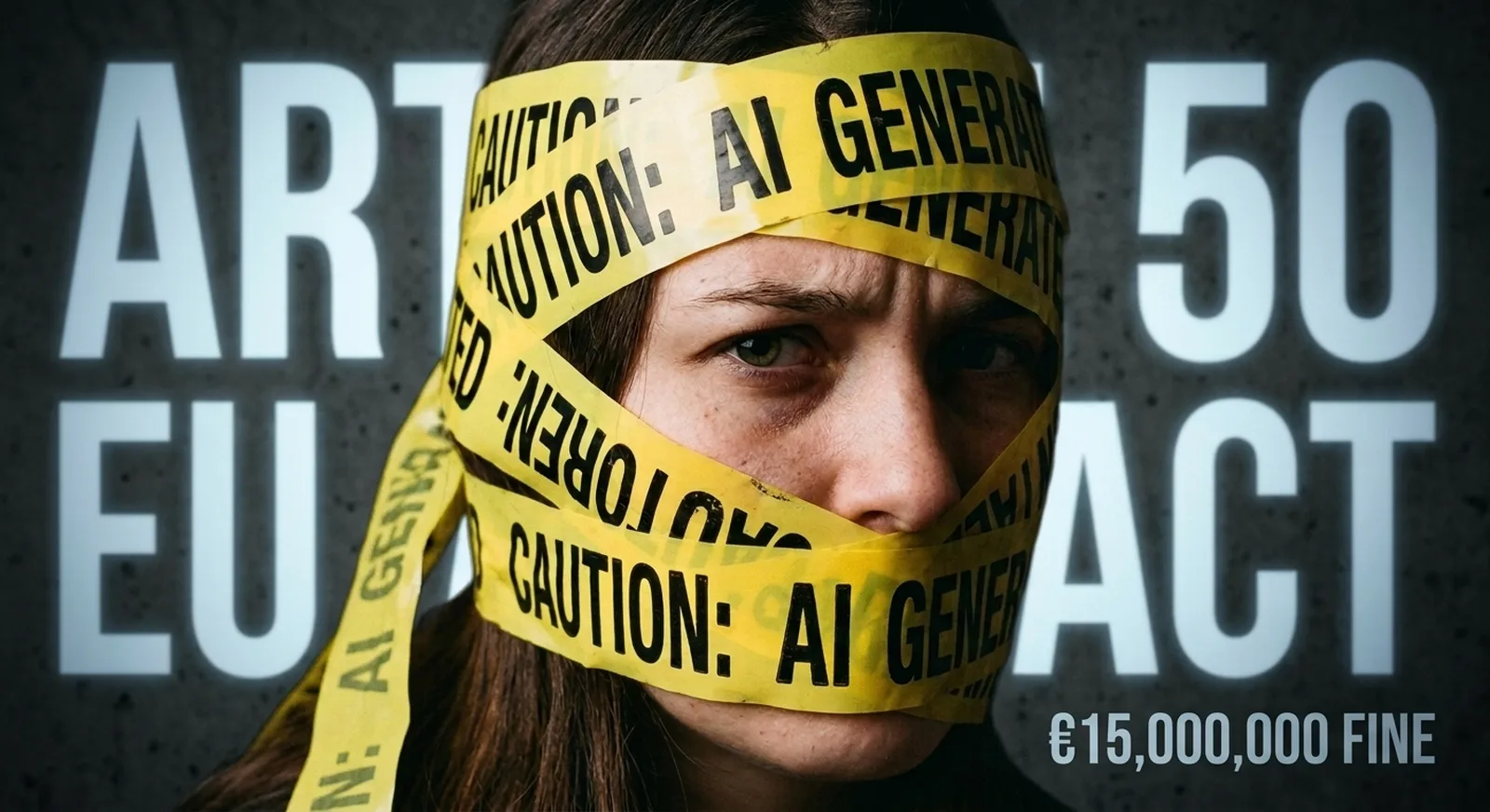
According to Getty Images’ 2026 creative trends research, the world of content is increasingly divided between authenticity and generative AI — with audiences caught somewhere in between. Brands that want to be trusted can’t just feed a prompt into a generator and call it done. They need someone who knows what “authentic” looks like for their specific product, their specific audience, and their specific moment in time. That someone is a digital artist.
That someone is a digital artist.
Taste, craft, and the bit AI can’t replace
What AI tools don’t have — and what no prompt can fully encode — is professional taste. Not taste in the abstract, aesthetic sense, but the kind developed by spending years looking at product imagery and understanding exactly why one image sells and another doesn’t. Why a highlight is placed here and not there. Why this angle communicates confidence and that one communicates doubt.
A digital artist brings that to every project. They’re not just executing tasks — they’re making a series of small, expert judgements that the final image depends on. According to Creative Bloq’s 2026 digital art trends report, the artists navigating AI most successfully aren’t competing with it on speed or volume — they’re leaning into the expertise and decision-making that tools can’t replicate.
There’s also accountability. When a campaign goes live and the images need to be consistent, adapted, and updated over time — a digital artist is responsible for that. An AI prompt history isn’t.

So — harder to explain than ever, more needed than ever
The profession is genuinely difficult to describe. That hasn’t changed. “Digital artist” still covers too much ground to fit neatly into a dinner party answer, and the arrival of AI tools has added a new layer of confusion on top of the existing one.
But what a digital artist produces — precise, consistent, brand-correct visual content, built from deep craft knowledge and refined over years — is exactly what brands and agencies need right now. Not despite AI. Because of it. The tools have multiplied. The need for someone who knows how to use them, judge them, and take responsibility for the result has never been higher.
Let’s talk about your project
Whether you’re working on product imagery, a campaign, or simply wondering whether CGI or compositing could improve on your current photography setup — that’s a conversation worth having. Drop a message and let’s figure out the right approach together.

Lauktien Studio specialises in CGI product visualisation, 360° product animation, and creative retouching for brands and agencies.
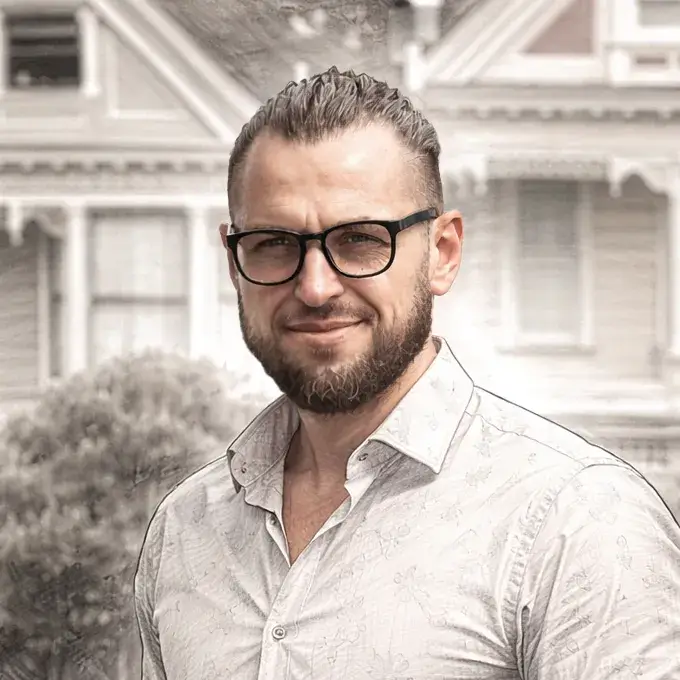
Rüdiger Lauktien
Married to his wonderful wife, father of two. Drummer, dreamer, pipe-smoker, photographer, adventurer and a man of faith. More than 15 years of experience in the creative industry. Awarded Digital Artist and Art Director.