When the Friedrichstadt-Palast called, the brief changed everything
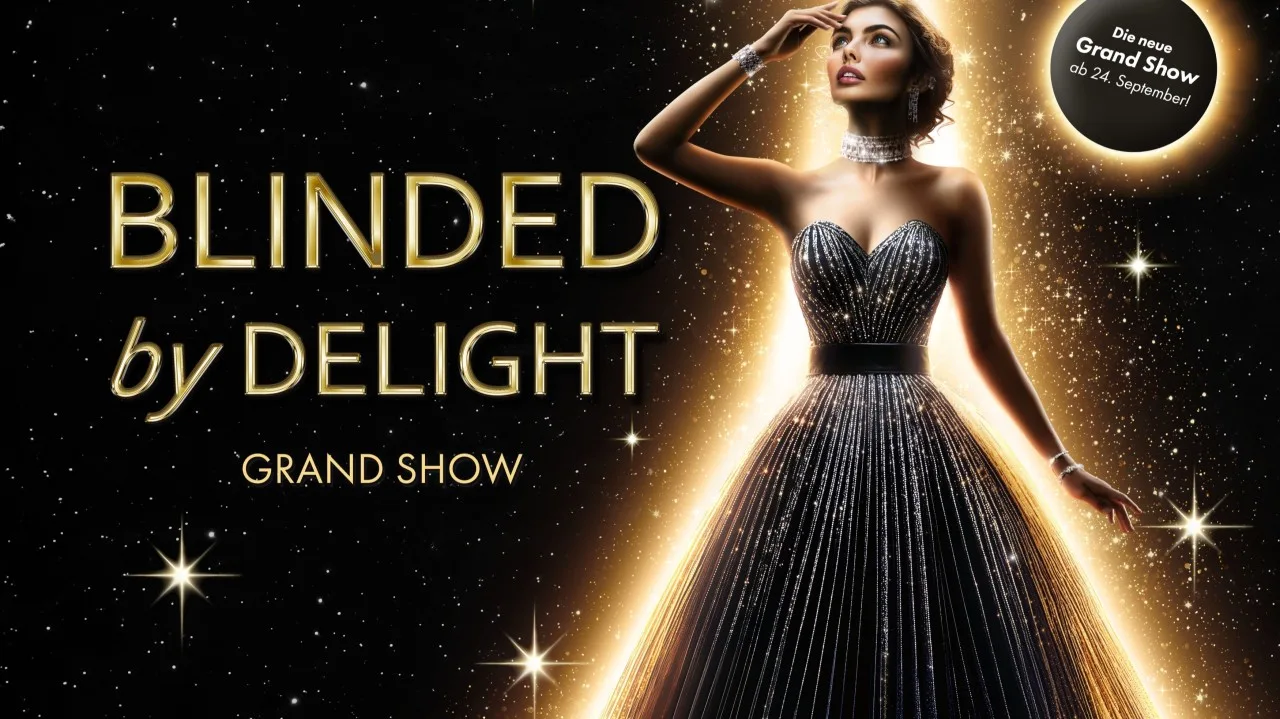
Some projects arrive the way you’d expect — a briefing, a timeline, a neat handoff. This one arrived on my birthday. A phone call from the Friedrichstadt-Palast in Berlin, home to the world’s largest theater stage at nearly 3,000 square metres. They needed an AI campaign visual for their upcoming show — and someone who could actually deliver one at production quality.
What followed was a two-month production marathon that involved a real photoshoot, a complete creative pivot, 2,435 AI-generated images, and one very specific pair of hands. In other words, exactly the kind of project where no single tool or technique would have been enough — and where the craft behind the curation matters more than the generation itself.
How a competitive pitch became an AI campaign visual
It started as a pitch. Their Creative Head had selected three Berlin-based freelancers, each tasked with a test assignment. Internally, the Palast had already produced three AI-generated visual concepts — but they were only reaching about 40 to 50 percent of the quality needed. A straightforward brief: take one of these drafts and develop it into something production-ready.
I combined classic Photoshop retouching with my own Midjourney drafts, documented the entire process on video, and delivered a result that convinced the Creative Head. However, the real scope of the project only became clear after the greenlight — because the initial approach involved an entirely different production method.
From photoshoot to full AI pivot — under deadline pressure
Once the project was greenlit, we built toward a real on-location photoshoot. The Palast booked a model, purchased a custom dress, hired photographers, and assembled a full production team. We shot inside the Friedrichstadt-Palast itself. Meanwhile, Swarovski crystals and jewelry — a critical visual element — hadn’t arrived by the shoot date, so we worked with placeholder pieces and planned to composite the real ones later.
Weeks of iteration followed. Compositing, retouching, adjusting — version after version. As a result, the production was intense and time-consuming. And then, the Intendant made a decision that changed everything: could the entire AI campaign visual be created without the photoshoot material? He asked me directly. I said yes.
We scrapped the photography-based approach. We were already behind the deadline. Consequently, we started over from scratch — this time with AI as the primary production tool.
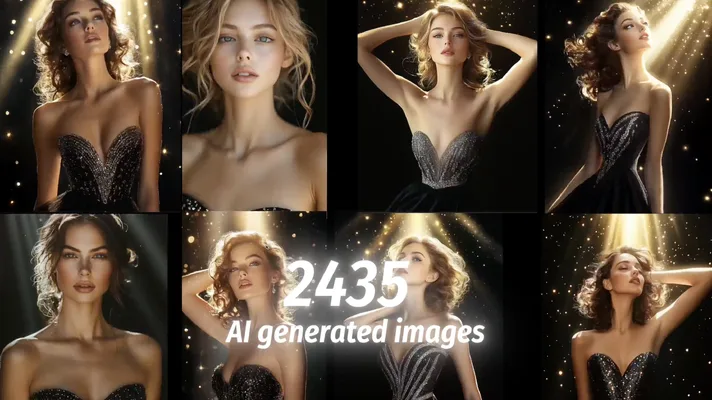
2,435 AI iterations to find one face
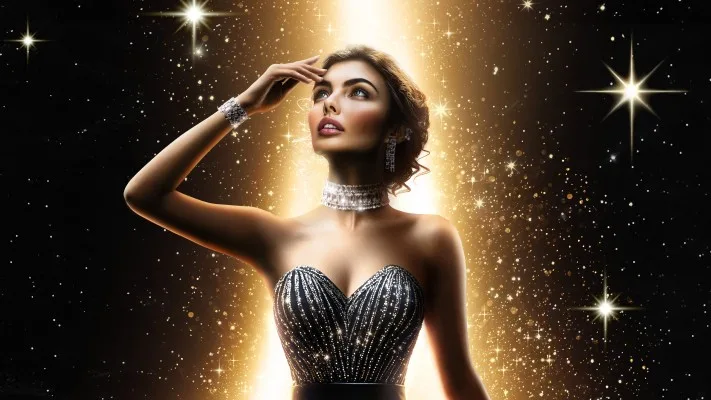
This was the most intensive AI production process I’ve been through. Using Midjourney, I generated 2,435 images — searching for the right model, the right expression, the right gaze. At the time, the tools were less controllable than what we have today. Furthermore, getting a coherent, expressive, believable character required hundreds of prompt variations, upscales with Magnific AI, and a level of patience that no shortcut could replace.
The number might sound excessive. It wasn’t. Each image was a deliberate step in a direction — evaluated, refined, or discarded. In practice, AI image generation at this level is closer to casting and art direction than it is to pressing a button. The lighting, the dress, the skin texture, the atmosphere — all of it emerged through iterative prompting and was refined in Photoshop.
According to DailyAI Mail’s 2026 marketing analysis, the AI advertising market is projected to reach $14.12 billion this year — a 26.4% increase. In other words, brands are investing heavily in AI-driven visual production. But the gap between generating an image and delivering a production-ready AI campaign visual remains enormous. That gap is where craft lives.
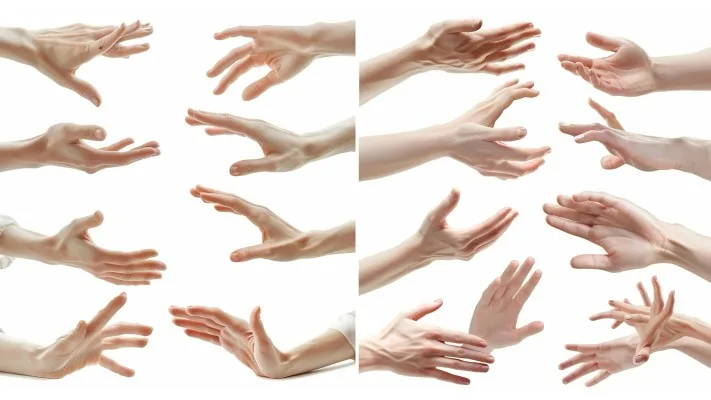
The only real element in an AI key visual — a pair of hands
Almost everything in the final image is AI-generated. Almost. There was one thing the tools couldn’t deliver at the time: hands. Midjourney produced attempt after attempt, and every single one looked wrong. Not subtly wrong — visibly, uncannily wrong.
So we pulled the model’s real hands from the original photoshoot and composited them into the AI-generated artwork. The irony is hard to miss: in a visual built from 2,435 AI iterations, the only thing that’s actually real is a pair of hands. Above all, it’s a reminder that high-end visual production is never about one tool — it’s about knowing when to combine them.

From screen to streets — the campaign across Berlin
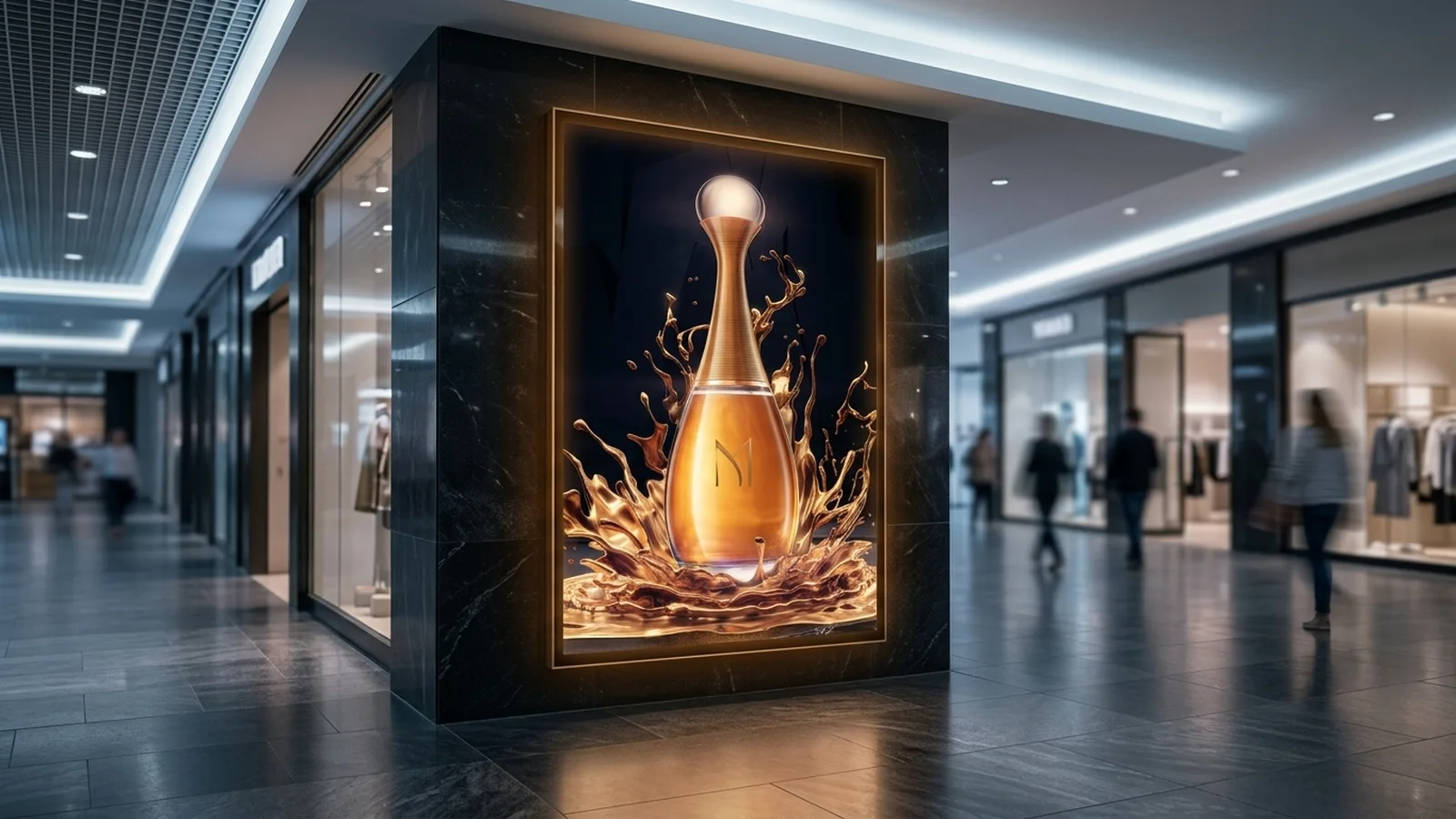
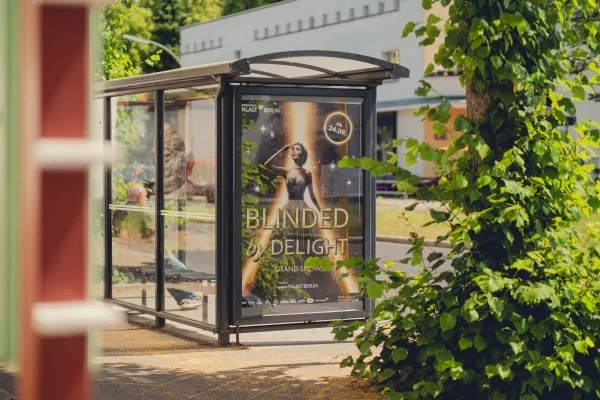
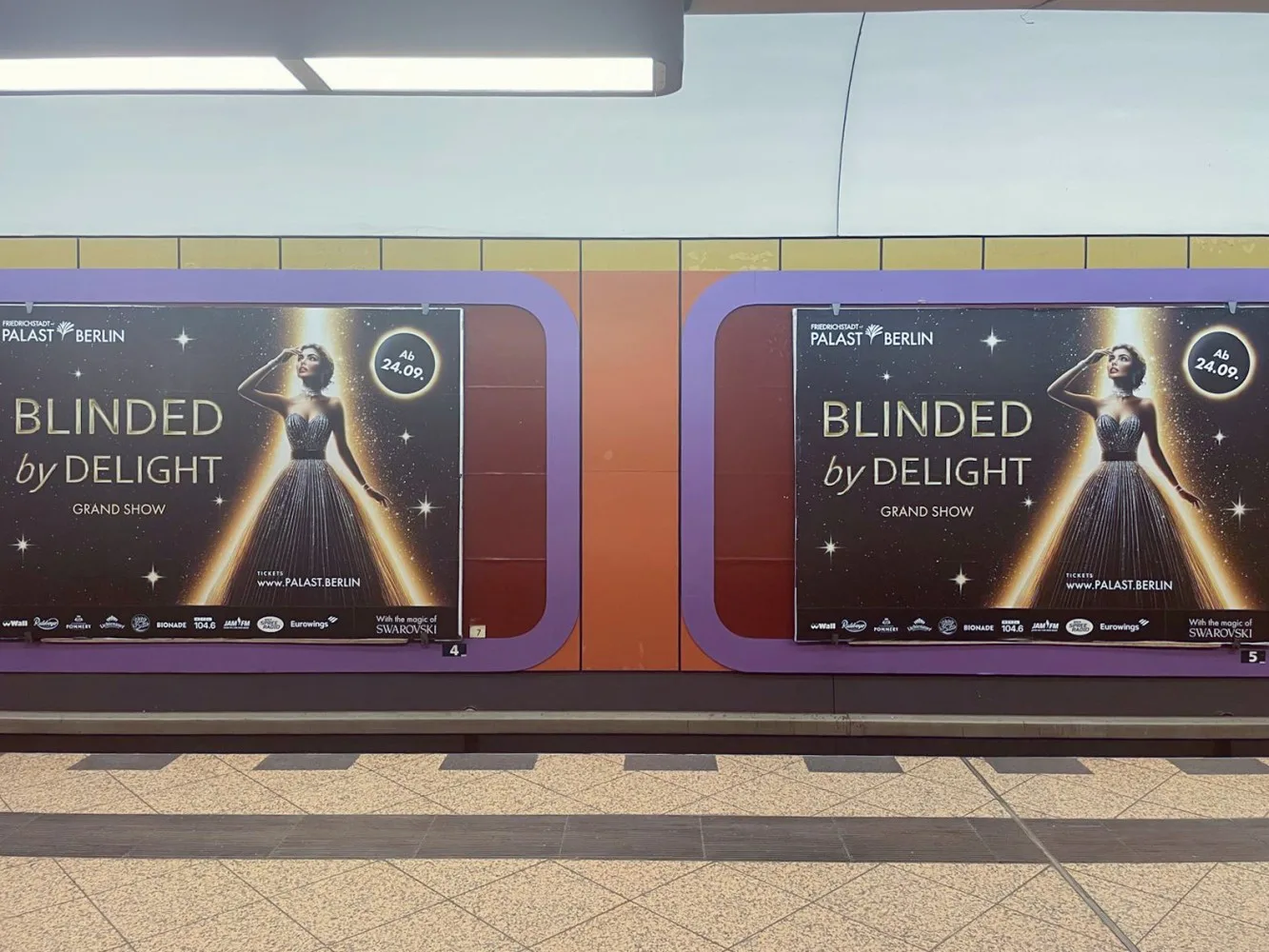
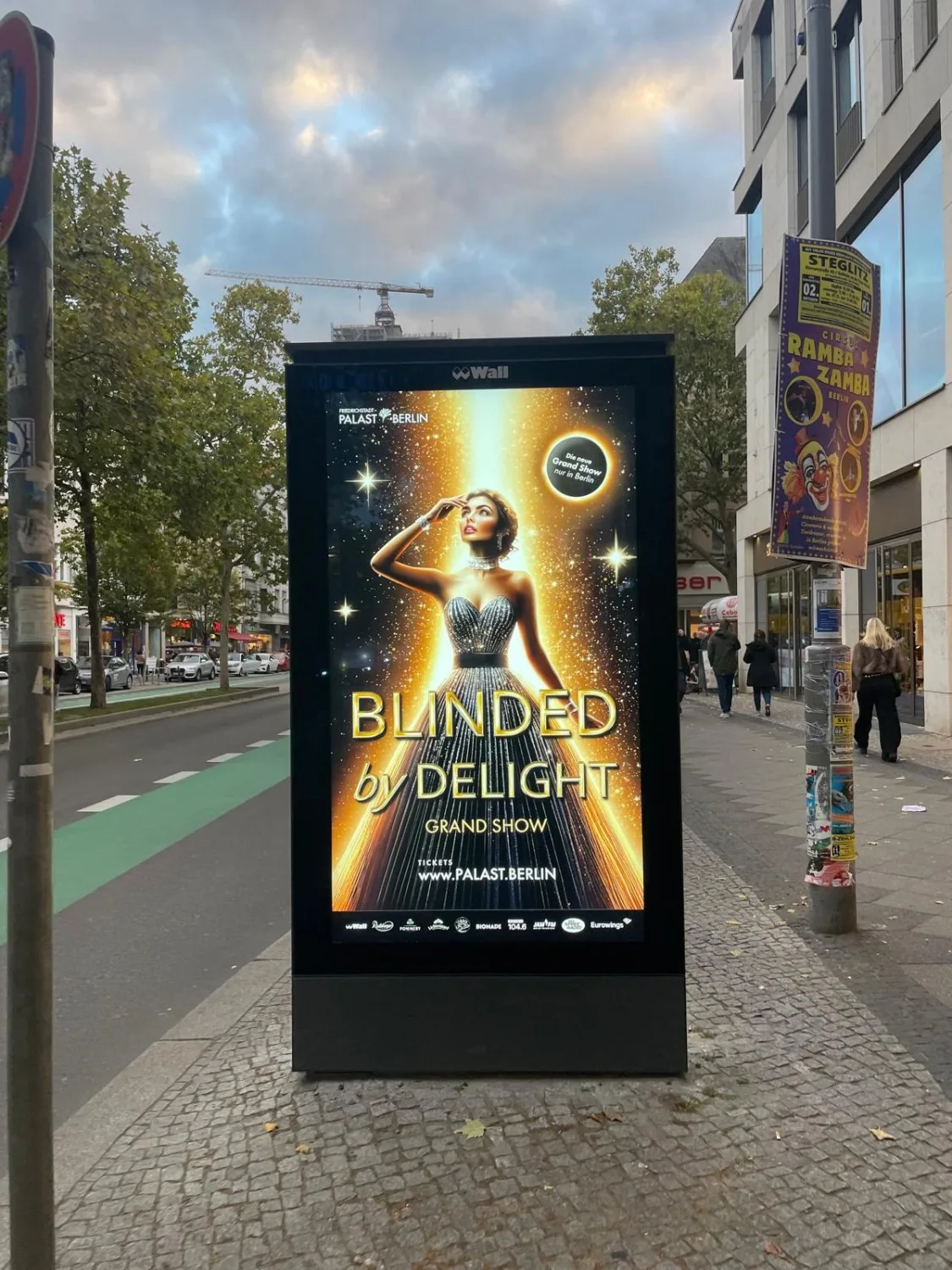
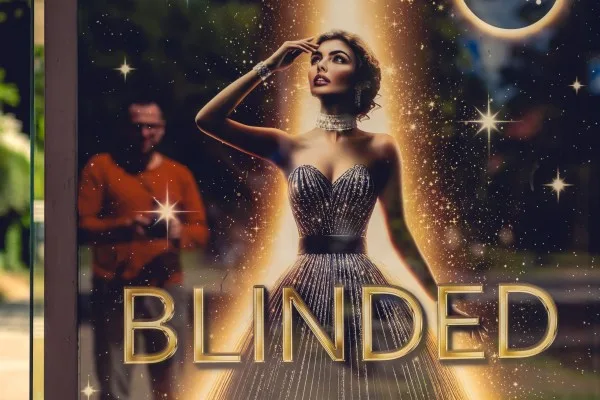
The final AI key visual hit production-ready status after roughly two months and several hundred production hours. It was printed at ultra-high resolution for large-format outdoor use — and now it’s everywhere across Berlin. Billboards along major streets. Bus stops in Mitte and Kreuzberg. S-Bahn platforms. BER Airport. The campaign will run through 2027.
It’s the most visible piece of work I’ve ever created. Moreover, it represents a genuine milestone in how AI-driven visuals can meet the demands of premium print production. According to visitBerlin, the Friedrichstadt-Palast draws around 700,000 visitors annually — making this campaign one of the most-seen theater visuals in Germany.
Three lessons from building an AI key visual for a major campaign
First of all, AI is not a shortcut — it’s a precision instrument. The 2,435 images weren’t random experiments. They were a structured creative process with clear intent behind each iteration. The real skill lies in curation and decision-making, not in generation speed.
Secondly, the strongest results emerge when you combine disciplines. This project brought together AI image generation, 3D rendering for the title design, on-location photography, and advanced Photoshop compositing. No single tool could have delivered the final result alone.
Finally, sometimes the brief changes entirely — and you have to restart under pressure without losing quality. The ability to pivot from a full photoshoot production to a pure AI workflow, on deadline, is ultimately what separates a vendor from a creative partner.
Let’s talk about your next campaign visual
Whether your project needs AI, CGI, retouching, or all three — I’d love to hear about it. Take a look at the full Friedrichstadt-Palast case study in my portfolio, or get in touch directly.
Lauktien Studio is a Berlin-based creative studio specialising in AI-driven visual production, CGI, and high-end retouching for global brands and agencies.
Rüdiger Lauktien
Married to his wonderful wife, father of two. Drummer, dreamer, pipe-smoker, photographer, adventurer and a man of faith. More than 15 years of experience in the creative industry. Awarded Digital Artist and Art Director.