The shop hero everyone wanted, but no one shot
You can usually tell within thirty seconds of opening a Shopify dashboard whether a brand has invested in product CGI for eCommerce or not. The product is good. The packaging is sharp. The PDP, however, looks like five different photographers were locked in five different rooms with five different reflectors and asked to imagine the brand without ever speaking to each other. Backgrounds drift. Shadows fight. The “main image” on Amazon disagrees with the hero on the .com, which disagrees with the lifestyle on Meta. The brand exists in the warehouse — but on screen it dissolves into a mood board that nobody approved.
That gap is exactly where product CGI for eCommerce earns its keep. Not as a flex, not as a render reel — but as the only practical way to ship a coherent visual system across every surface a buyer ever sees.
What “product CGI for eCommerce” actually means in 2026
The phrase gets thrown around as if it were a single deliverable. In practice it isn’t. Product CGI for eCommerce is the production discipline that takes a 3D model of your SKU and turns it into a controlled visual library — pack-shot, lifestyle, motion, AR, configurator, ad creative — without going back to a studio. Each surface (Shopify, Amazon, TikTok Shop, Meta, retailer feed, OOH) gets a render generated from the exact same digital master. The label is consistent, the geometry is consistent, the lighting is consistent. As a result, your shopper experiences a single brand instead of seven.
Compare that to the photography route. A photographer captures one moment, in one light, at one angle, on one day. Furthermore, every additional moment costs another setup. That model worked when a SKU lived on one shelf. In 2026, your SKU lives on twenty surfaces, and at least three of them are interactive. The economics simply don’t add up anymore — and that is the most boring, most powerful argument for moving to CGI.

Where the conversion uplift actually comes from
Numbers travel further than aesthetics, so let’s start there. According to Shopify’s own merchant data, products that include 3D and AR content convert at rates up to 94% higher than the same products presented with flat 2D imagery. Moreover, dwell time on PDPs with interactive 3D rises by roughly 28%, which feeds the very engagement signals that ad platforms reward. Returns drop too. Shopify’s AR shopping case studies document a 40% conversion lift for Gunner Kennels and a 65% lift in purchase intent for Rebecca Minkoff once 3D and AR became part of the product page.
Those numbers don’t come from “fancier images”. They come from the buyer being able to inspect the product the way they would in a store: rotated, zoomed, contextualised, in the colour they actually want. Consequently, the buying decision finishes on the PDP instead of the return form.
“We weren’t competing with photography anymore. We were competing with whoever loaded faster, looked sharper, and let our customer spin the bottle.”
eCommerce lead, European DTC beverage brand
Why product CGI scales when eCommerce photography can’t
A traditional product shoot for a 50-SKU DTC brand, with five angles per SKU and a couple of seasonal refreshes, lands somewhere around €27,000 in annual photography fees before retouching, freight, prototypes, or stylist time. That budget is calculated for a single year — and it assumes your packaging never changes, your colour line-up stays put, and you don’t add new bundles. None of those assumptions survive contact with reality.
Now look at the same workflow through CGI. We model the SKU once. From that single asset, every variant, angle, background, and crop becomes a render swap rather than a reshoot. New colour? Twelve hours. New label artwork? Half a day. Holiday edition? Same model, different shader. As a result, the marginal cost of a new image collapses, and so does the calendar.

For agencies, that means proposing campaigns where the visuals can keep up with the media plan. For brands, it means catalogues that don’t go stale the moment the product team adds a flavour. Furthermore, it means the asset pipeline finally fits the way modern retail actually buys: in seasons, in collabs, in regional editions, in micro-drops. To go deeper on the underlying technique, see our extended view on 3D product visualization — the pillar that anchors everything we ship for digital retail.
Where product CGI for eCommerce works hardest
Not every category needs a render. However, four of them benefit so much that the case is almost embarrassing to argue against.
Consumer tech and accessories
Glossy plastics, brushed aluminium, micro-engraved logos, illuminated indicators — these are the surfaces a real lens fights. CGI reads them cleanly, controls every reflection, and lets the spec sheet show. The same model also drops straight into 360° spins for the PDP. That is exactly what we walk through in our piece on 360° product animation, which brands use as the next-step asset after a static hero.

DTC and indie craft brands
Smaller catalogues, big personality, no patience for a six-week studio booking. CGI gives a one-bottle brand the same image quality as a heritage house. In addition, hero shots stay consistent across Amazon, Shopify and direct retailers — which matters because the buyer cross-checks all three before they hit “add to cart”. For DTC brands that sell on the marketplaces, our piece on Amazon product imagery as a silent weapon is the companion read.
Beauty, beverages and high-variant categories
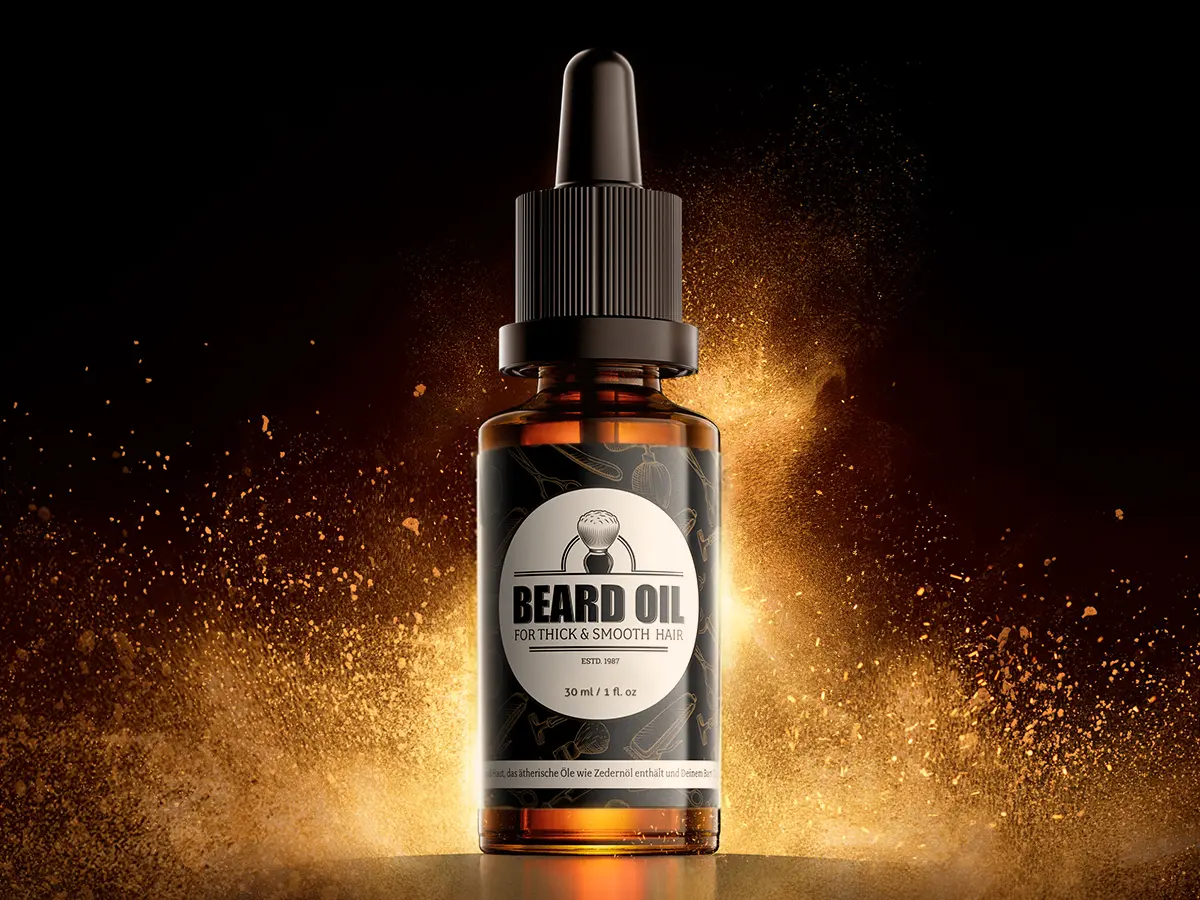
The argument here is simple: the more variants per family, the more painful photography becomes. A lipstick range with twelve shades, a bottle range with seven flavours, a serum range with five strengths — every shoot multiplies the SKU count by a stylist day. Through CGI, the variant problem turns into a shader problem, which is the kind of problem you solve once and reuse forever. We covered this in our 2026 cosmetics lookbook, which is one of the most agency-shared posts on the site.
Office, industrial and “boring but high-margin”
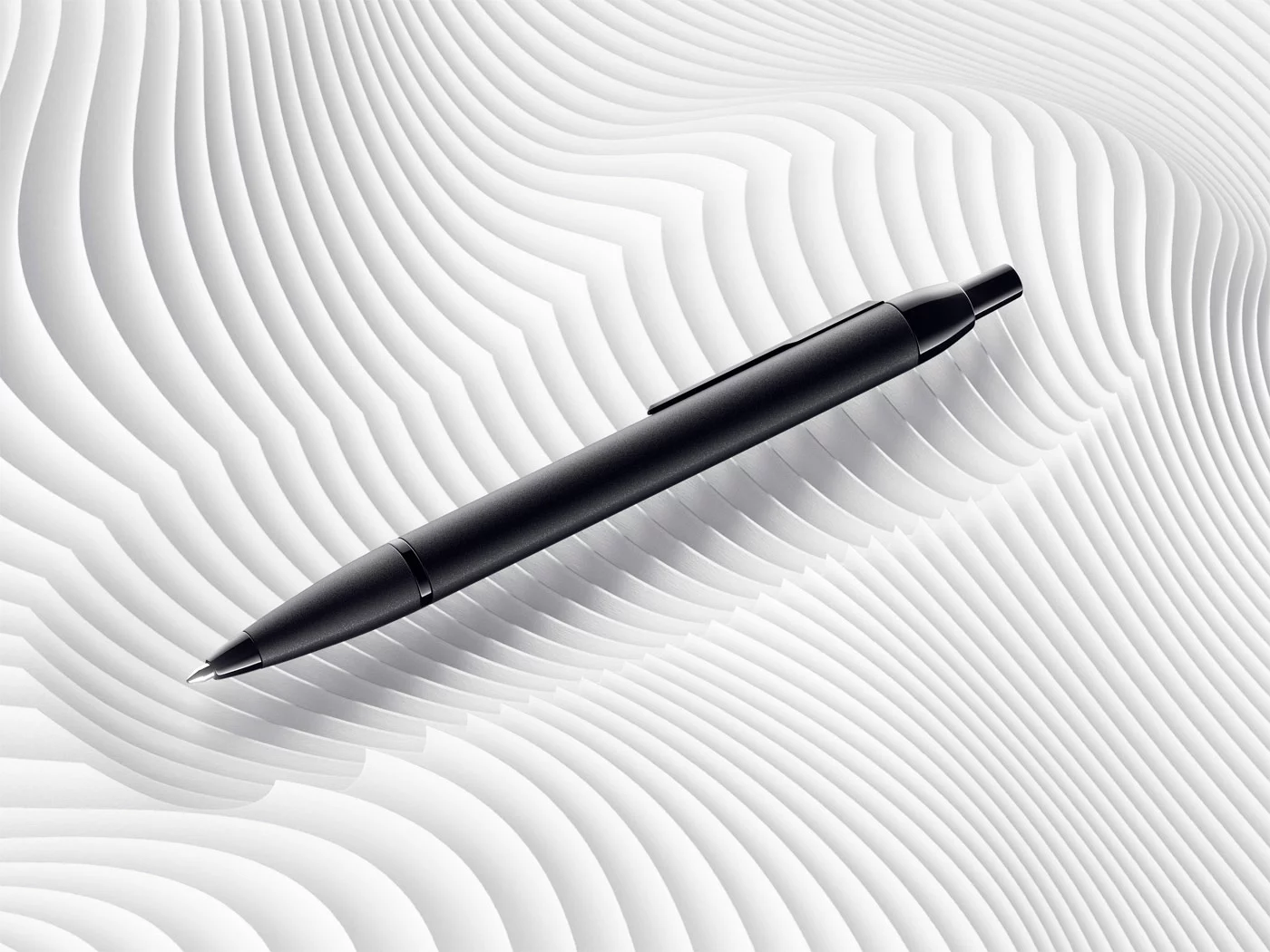
Pens, adhesives, kettles, tools, B2B accessories. These categories live or die on a clean white-background hero. CGI delivers that hero on demand, in any aspect ratio retail asks for. Above all, it makes a small product look intentional rather than catalogue-grade.
The agency angle: why creative leads are quietly switching
Agencies feel the cost of inconsistency before brands do. The brief lands on a Friday, the shoot is the following Wednesday, the PDP needs to be live by month-end, and somewhere in there a regional client asks for “the same image, but with the German pack and a winter background, also can we have it square for Reels”. In a photography pipeline, that single request reopens the entire production. In a CGI pipeline, it is a render queue.
Consequently, more creative leads now brief CGI as the default and reach for a camera only when an environment, model or human moment genuinely demands it. The decision becomes editorial rather than logistical. In addition, the asset library compounds: every render produced for one campaign becomes raw material for the next. For a deeper dive on briefing the studio side, our guide on how to brief a CGI studio walks through the inputs that make this pipeline actually work.
When NOT to use product CGI for eCommerce
Honesty paid for everything we ever shipped, so let’s keep some of it here. CGI is the wrong call when the project is fundamentally about a human moment — a face, a hand, a smile, a candid second of use. Furthermore, ultra-textile categories (raw fabric, irregular leather, hand-drawn ceramics) often read more honestly through a real lens. We argue this in plain terms in our CGI vs product photography piece, and we still recommend a hybrid approach for many brands. The key is to avoid choosing photography by default just because the team has always done it that way.
What product CGI for eCommerce costs to start
The honest answer is “less than you think, and more than you fear”. A first SKU modelled and rendered for the full asset set — Shopify hero, Amazon main, lifestyle, two angle variants, and a 360° loop — typically lives in the low four-figure range. Subsequent SKUs are cheaper, because each new product reuses lighting rigs, render pipelines and post recipes from earlier work. We break the numbers down in our 3D product visualization cost guide, which has become the most frequently shared link in our outbound conversations.
Where to take it from here
Most brands don’t actually need a “CGI strategy”. They need one good first SKU rendered, embedded into the live PDP, and measured against the existing baseline. After that, the conversation tends to write itself. If you want to see what the deliverables look like in practice, the studio portfolio is the fastest way to map your category to ours, and the 3D Product Visualization service page covers what a typical engagement actually includes.
Send us the SKU you would replace first. We’ll come back with a small scope and an honest read on whether CGI is the better answer — or whether, in your specific case, the camera still wins. Either answer is fine. The wrong one is the one nobody bothered to check.
Lauktien Studio is a Berlin-based CGI & 3D product visualization studio, working with brands and agencies on hero renders, variant libraries, 360° spins and AI-assisted creative for eCommerce, marketplaces and DTC.

Rüdiger Lauktien
Married to his wonderful wife, father of two. Drummer, dreamer, pipe-smoker, photographer, adventurer and a man of faith. More than 15 years of experience in the creative industry. Awarded Digital Artist and Art Director.